Car Sill Rust Repair Explained: Causes, Risks, and Fixes
Car sill rust is one of the most common structural problems we see at our workshop in Mansfield. It often starts quietly, hidden behind plastic covers or paint, but once it spreads, it can cause MOT failure, safety concerns, and expensive repairs.
This guide explains what causes sill rust, why it matters, how MOT testers assess it, and how proper sill welding repairs should be carried out. It’s written by the coded welders at Star Welding Mansfield based on real vehicles we repair every week.
What Are Car Sills and Why Are They Important?
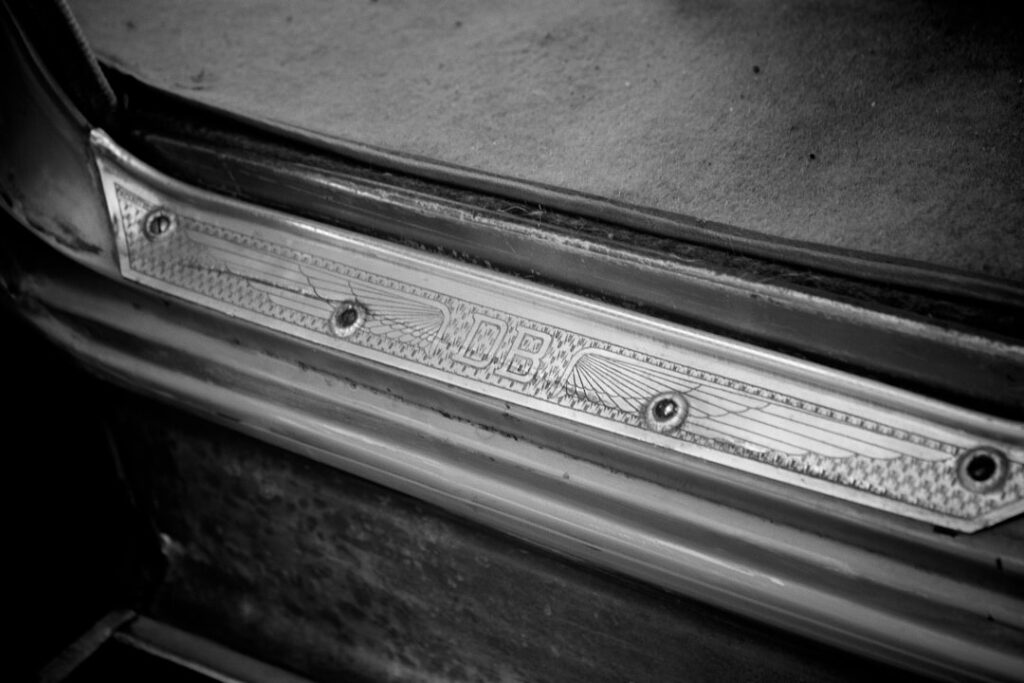
Car sills run along the lower edge of the vehicle beneath the doors. They form a key part of the car’s structure, helping support the body, absorb impact in a collision, and provide mounting points for jacking and seatbelts.
Most vehicles have both inner and outer sills. The outer sill is visible from the outside, while the inner sill sits behind it and provides much of the strength. Rust often starts on the inside and works outward, meaning damage can be worse than it looks.
Because of their structural role, sill condition is closely inspected during an MOT.
What Causes Sill Rust?
Sills are exposed to water, road salt, and debris every time you drive. Over time, protective coatings wear away and moisture becomes trapped, especially inside boxed sections.
- Blocked drain holes allowing water to sit inside the sill
- Road salt buildup during winter driving
- Stone chips breaking the paint seal
- Poor-quality previous repairs trapping moisture
- Plastic sill covers hiding corrosion
Once rust starts inside the sill, it can spread quickly. By the time bubbling paint appears, the metal underneath is often already weakened.
When Does Sill Rust Cause an MOT Failure?
An MOT does not fail a vehicle simply for having rust. It fails the vehicle when rust affects structural strength or safety-critical areas.
Sill rust will usually cause a fail if it is:
- Within 30cm of a seatbelt mounting point
- Near a jacking point or suspension mount
- Holed, cracked, or significantly weakened
- Sharp-edged and likely to cause injury
Even small holes can trigger a fail if they are in the wrong place.
Inner vs Outer Sill Rust: Why It Matters
Outer sill rust is what most drivers notice first. It may look unsightly, but it does not always mean the vehicle is unsafe. Inner sill rust is more serious because it affects the load-bearing structure.
Many MOT failures occur when the outer sill is removed or pressed during testing, revealing severe corrosion underneath. This is why visual checks alone are not enough.
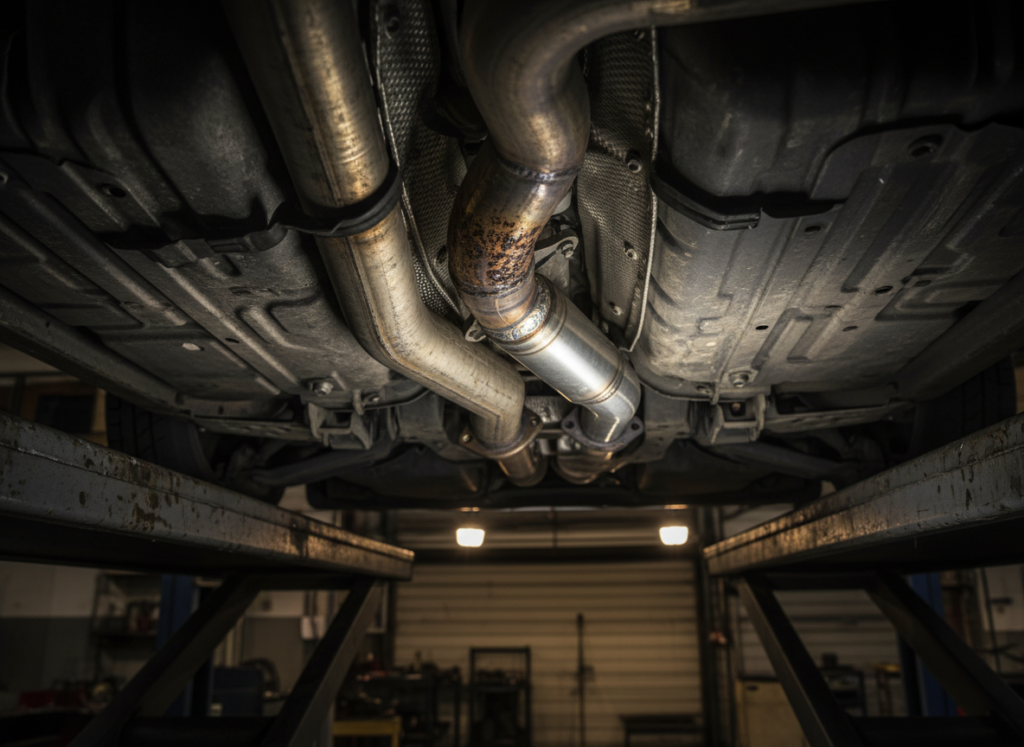
A proper inspection often involves lifting the car and checking behind covers and seam lines.
Why Quick Fixes and Patches Don’t Last
We regularly see vehicles that have had quick patch repairs to pass an MOT. These may work short-term but usually fail within a year or two.
- Rust left behind continues to spread
- Thin steel lacks structural strength
- Poor weld penetration causes cracks
- Moisture becomes trapped behind patches
Proper sill repairs require cutting back to solid metal and welding in new steel of the correct thickness. Anything else is temporary.
How Professional Sill Welding Repairs Are Done
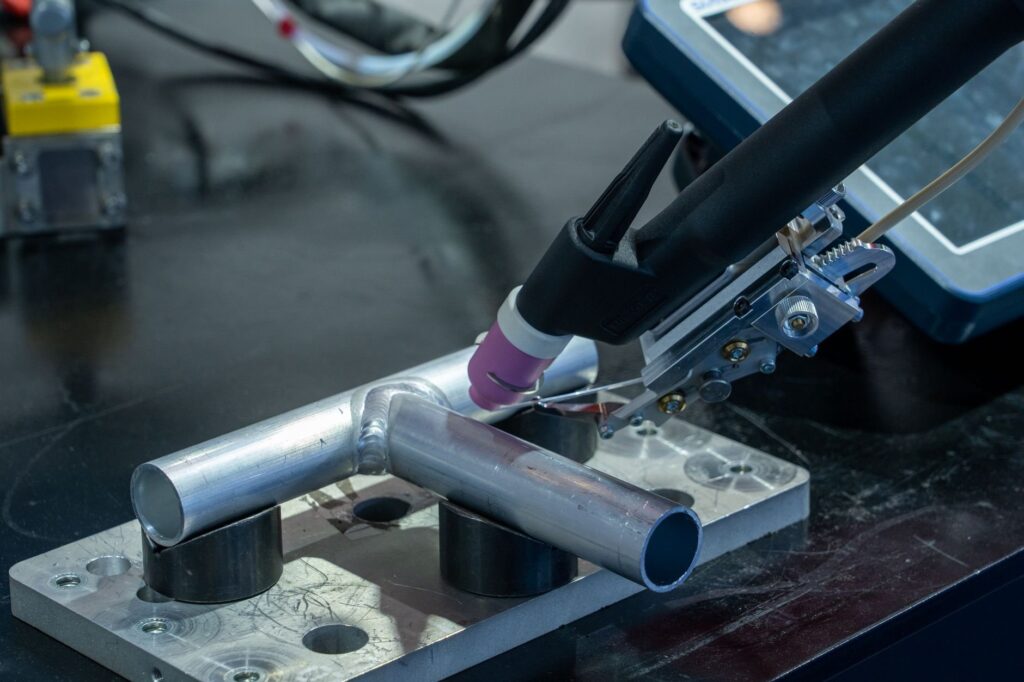
At Star Welding Mansfield, sill repairs are carried out by B6 & 6G coded welders using methods that meet MOT and safety standards.
- The corroded area is fully cut out
- Surrounding metal is checked for weakness
- New steel sections are shaped or panelled
- Repairs are fully seam welded
- The area is treated and protected against future corrosion
The goal is to restore strength, not just appearance.
FAQs: Car Sill Rust Repairs
- How much does sill rust repair cost?
It depends on how far the rust has spread. Inner sill repairs cost more than outer-only work. - Can I drive with rusty sills?
If the vehicle is structurally weakened, it may be unsafe and illegal. - Will the repair be visible?
We aim for neat, factory-style repairs wherever possible. - Do you repair floor pans as well?
Yes. Floor pan repairs often go hand-in-hand with sill welding.
If the sills are gone on an older car, it is worth deciding whether welding is the right call at all before booking the work in.
Book a Sill Rust Inspection in Mansfield
If you’ve noticed bubbling paint, soft metal, or have been advised about sill rust, we can inspect the vehicle and explain exactly what is needed. No guesswork. No pressure.
Contact us here or call:
You can also view recent sill and structural repair projects to see real examples.