Catalytic Converter Guards: Bolt-On Shields vs a Welded Cage, and What Actually Fits
Selling a stolen converter is legally harder than it was. Since October 2013 a scrap metal dealer must not pay for scrap metal except by non-transferable cheque or electronic transfer of funds, which removed the anonymous cash route the trade used to rely on. Cutting one off a car, though, still takes very little time and no skill at all.
That mismatch is why physical protection still matters. A guard does not make a converter impossible to remove. It makes removal slow, noisy and awkward enough that the vehicle stops being the easy option on the street.
This guide explains the difference between a bolt-on shield and a fabricated cage, when each is the right answer, and what has to be got right when a guard is made to fit a specific vehicle.
In Short: Shield or Cage?
A bolt-on shield is a pre-made plate or lattice designed for one model, fitted to existing mounting points, and it is the sensible first choice where a kit exists for your vehicle. A fabricated cage is made and welded to fit where no kit is available, or where the vehicle has been modified so a kit no longer lines up. Both work by costing the thief time.
What Is Actually Different Between the Two
The terms get used loosely, and the products sit on a spectrum rather than in two neat boxes. It is worth separating them properly, because they fail in different ways.
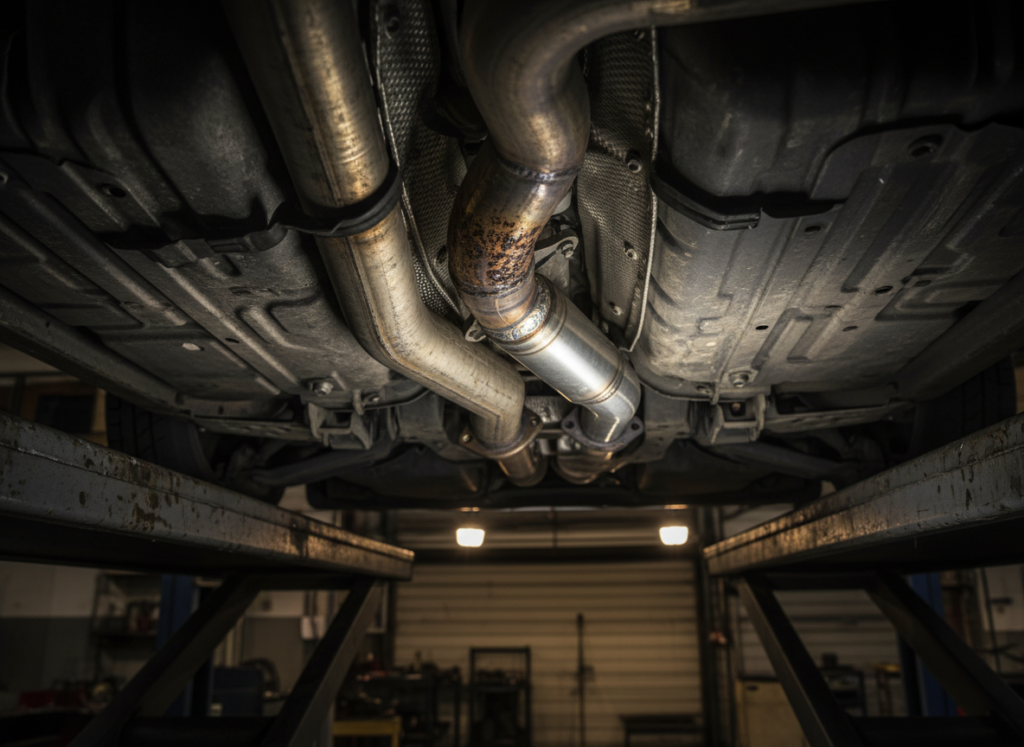
- A shield is usually a solid or perforated plate sitting under the converter, bolted to existing points on the subframe or exhaust mounts. It blocks straight-line saw access from below, which is the fastest attack.
- A cage is an open lattice of steel bar surrounding the converter rather than covering it. It does not block the saw entirely, but it forces the blade to work through multiple bars at awkward angles, which takes far longer and makes considerably more noise.
- A strap or clamp is the lightest option, wrapping the converter body so it cannot simply be lifted away after cutting. On its own it is the least effective of the three.
The practical difference for an owner is heat and access. A solid plate close to the converter traps heat and can foul the existing heat shielding, and it has to be unbolted for any exhaust work underneath. An open cage runs cooler and is easier to see past on inspection, but it needs more mounting points to be rigid, and rigidity is the whole point.
When a Bolt-On Kit Is the Right Answer
If a manufacturer-specific kit exists for your exact model and year, it is generally the better route, and we will tell you so. A kit designed around a known vehicle has already solved the clearance problems, comes with the correct fixings, and can be removed and refitted for servicing without cutting anything.
Kits are most common on the vehicles that were targeted most heavily, which tends to mean popular hybrids and certain vans. If your car is on that list, check what is available for it before commissioning anything bespoke.
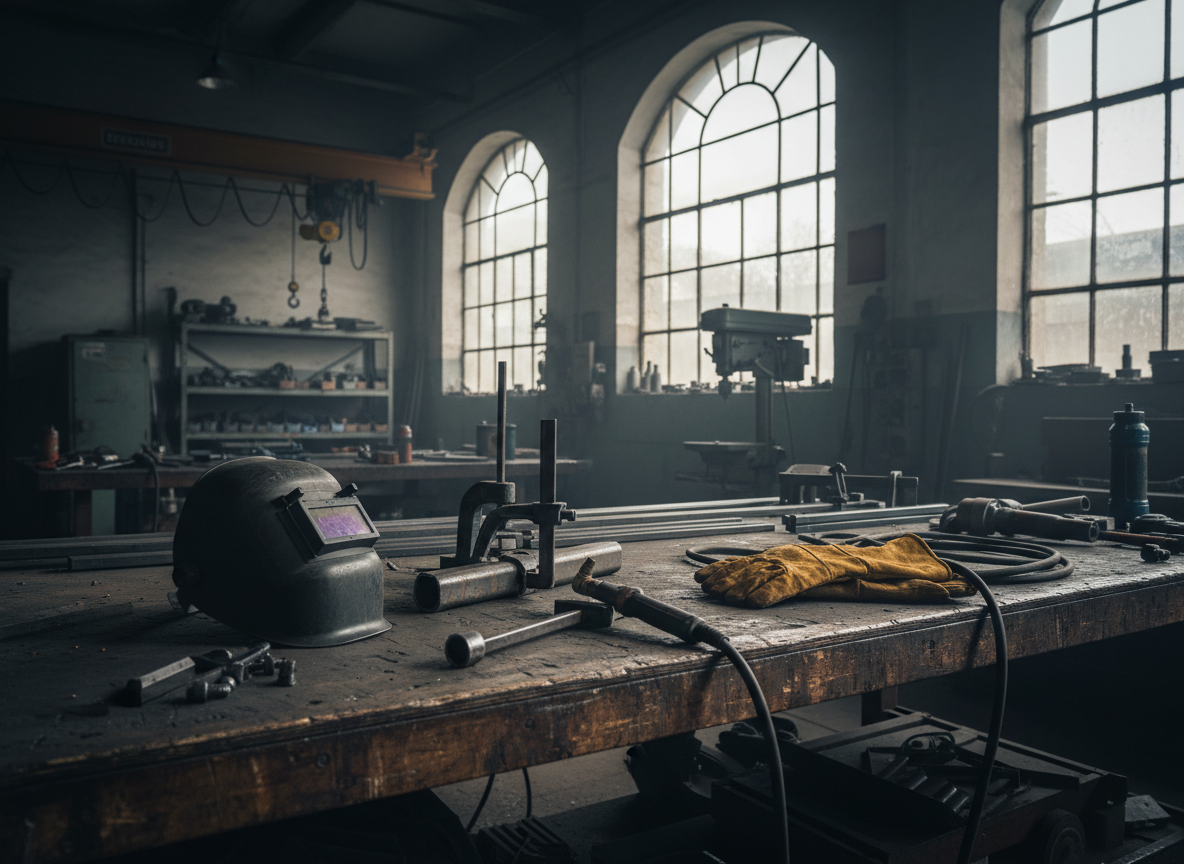
We are a welding and fabrication workshop, not a retailer. We do not stock an off-the-shelf product range and we do not offer mobile fitting. What we do is make things that do not otherwise exist, which is a different job from bolting on something that does.
When Fabrication Is the Only Option
The gap in the market is unglamorous but real. Kits are made for the models that sell in volume. Plenty of vehicles fall outside that, and their owners are left with either a universal product that does not fit properly or nothing at all.
A one-off guard makes sense in a few specific situations:
- No kit exists for the vehicle. Older models, low-volume vans, converted vehicles and light commercials are frequently unserved.
- The exhaust has been modified. If a section has been replaced or repositioned, a kit built around the factory layout will not line up.
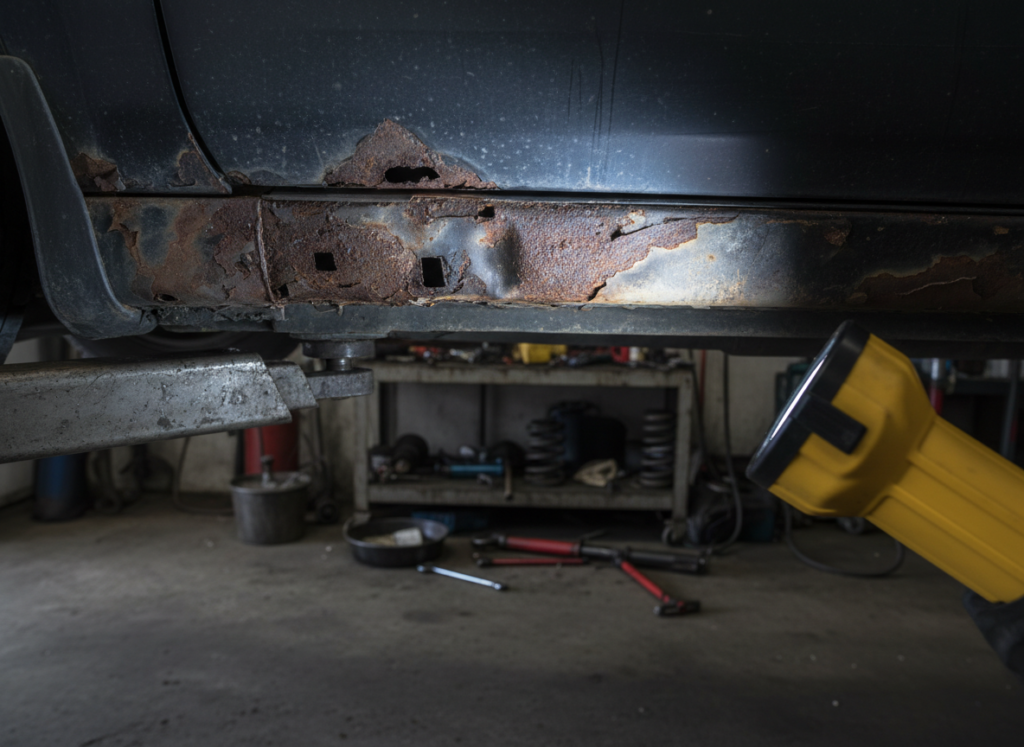
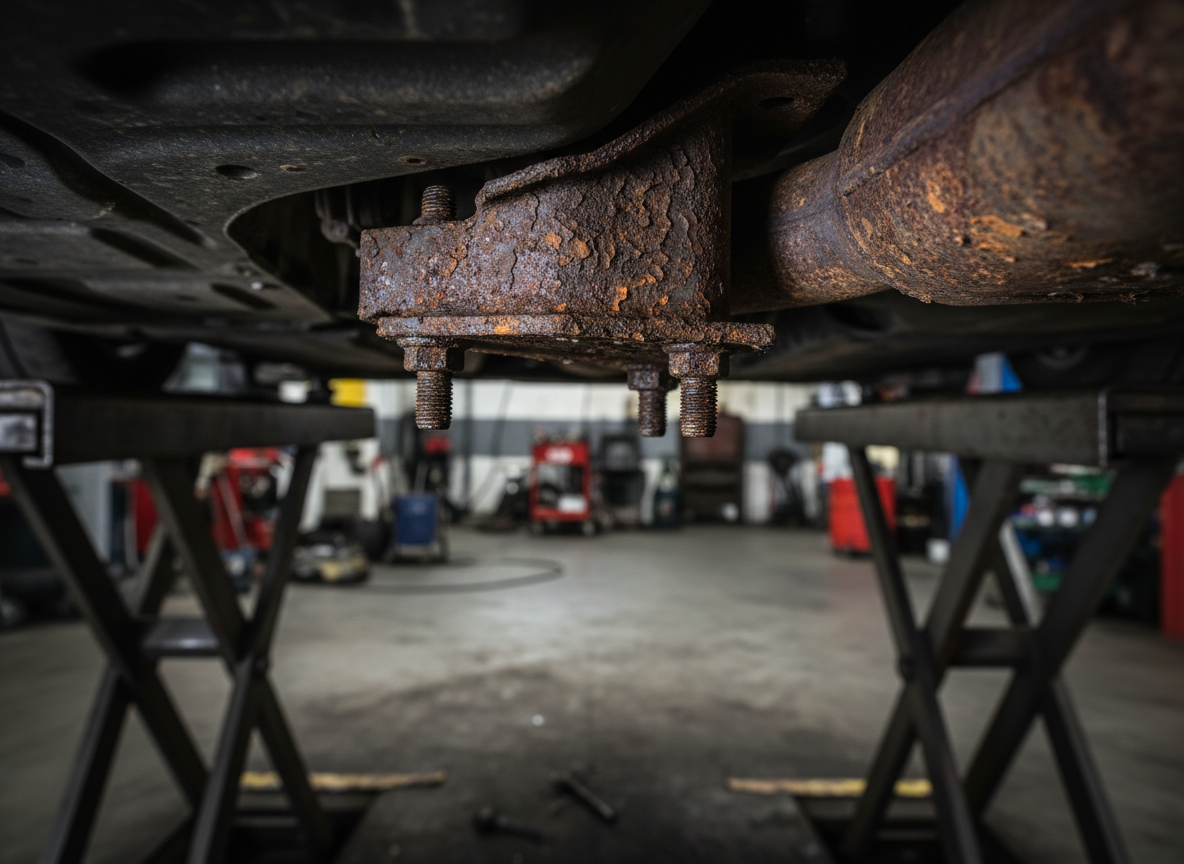
- The mounting points a kit relies on are corroded. Bolting a guard to rotten steel achieves nothing. Sound metal has to be there first, and sometimes it has to be put back.
- The vehicle carries equipment that gets in the way. Towing gear, underslung tanks and racking all change what will physically fit.
That last group overlaps heavily with the sort of one-off metalwork we already do. It is the same discipline as any other custom bracket and small fabrication job: measure the vehicle in front of you, make the part around it, and weld it to something that will hold.
What Has to Be Got Right When One Is Made
A guard that is fabricated badly is worse than no guard, because it gives an owner confidence they have not earned and can cause problems of its own. These are the constraints that actually govern the design.
- Nothing is welded to the converter itself. The converter body contains a ceramic substrate and welding to it risks damaging the internals. The guard mounts to the vehicle structure around it, never to the emissions component.
- Heat clearance is designed in, not hoped for. A converter runs extremely hot. The guard has to keep clear of it and must not press against or displace the factory heat shielding.
- Mounting points must be sound structure. Corroded steel gets cut back and replaced before anything is attached to it, exactly as it would be for any other structural repair.
- Ground clearance is checked with the vehicle loaded. A guard that clears the road empty and grounds out with four people in the back is a problem you only find later.
- It has to come off again. Exhaust work, sensor replacement and MOT inspection all need access. A guard that has to be cut off to change a lambda sensor will get cut off once and never replaced.
That final point is the one owners raise least and regret most. Anything fitted under a car has to allow the car to be worked on, which is the same reason we design one-off vehicle metalwork around serviceability rather than just around strength.
The Other Half of the Problem: Marking and Paperwork
Physical protection is only one layer. The other is making the part traceable, and the law is on your side here more than most people realise.
As well as the ban on cash payment, a scrap metal dealer must not receive scrap metal from a person without verifying their full name and address against documents or data from a reliable and independent source. A converter that carries a visible, permanent marking is a converter a legitimate dealer has a reason to refuse and a paper trail to worry about.
Marking kits are widely available and cost very little. Fitting a guard and marking the converter at the same time is a sensible pairing: one makes the theft slow, the other makes the result harder to sell.
Frequently Asked Questions
Will a catalytic converter guard affect my MOT?
A guard is an addition to the vehicle rather than a modification to the emissions system, and it should not interfere with the test provided the tester can still inspect what they need to see and the exhaust remains secure and leak-free. Tell the test station it is fitted when you book, so nobody is surprised on the ramp.
Is a cage better than a shield?
Neither is universally better. A shield blocks the quickest line of attack and suits vehicles with enough clearance underneath. A cage runs cooler and is easier to inspect past, but needs solid mounting points to be worth having. What fits your vehicle properly matters more than which type it is.
Can a guard be fitted to any vehicle?
Almost, but not quite. The limits are ground clearance, heat clearance and whether there is sound structure nearby to mount to. On a heavily corroded underside the honest answer is that the corrosion has to be dealt with first, because a guard bolted to rusty steel will simply pull through.
Does a guard stop catalytic converter theft completely?
No, and anyone claiming otherwise is overselling. A determined thief with time and no fear of being heard can get through most things. What a guard does is move your vehicle down the list, because the whole attack model depends on being finished in a minute or two.
Do you sell catalytic converter guards?
We do not sell a product range and we do not fit at the roadside. We fabricate a guard around the specific vehicle in our workshop, which is the right answer where no kit exists for it. Where a good bolt-on kit does exist for your model, we will say so.
Talk to Us About a Guard for Your Vehicle
If your vehicle has no off-the-shelf option, or the underside needs attention before anything can be mounted to it, bring it in and we will look at what is realistic. We will be straightforward about whether fabrication is the right call or whether a kit would serve you better.
All work is carried out by coded welders at our Mansfield Woodhouse workshop, alongside our other one-off bracket and fabrication work. We inspect and confirm the scope before anything starts.
Get in touch to discuss a fabricated converter guard.
Reviewed and signed off by Star Welding Mansfield. Published: 22 October 2026 · Last updated: 22 October 2026