Body Filler MOT Failure: Rivets, Plates and the Repairs DVSA Won’t Accept
The MOT inspection manual contains a short list that settles most arguments about “previous repairs”. Five bonding processes cannot be accepted on a load-bearing member, full stop: gas brazing, soldering, adhesive bonding, fibre reinforcement and body filler. There is no discretion in it and no allowance for how neat the job looks.
That list is why a car can arrive for its test with underside repairs that were signed off somewhere else and still fail. This guide explains what DVSA actually accepts, why filler and pop-riveted plates are a different category of problem from ordinary rust, and what putting a bodged repair right involves. Written by the coded welders at Star Welding Mansfield in Mansfield Woodhouse, Nottinghamshire.
Published: 29 October 2026 | Updated: 29 October 2026 | Author: Star Welding Mansfield Team
Quick Answer: Is Body Filler an MOT Failure?
Yes, where it has been used to repair a load-bearing member. DVSA lists body filler alongside adhesive bonding, gas brazing, soldering and fibre reinforcement as bonding processes a tester cannot accept on structural areas. Cosmetic filler on a wing or a door skin is a different matter entirely — it is filler used as a structural repair that fails.
The Rule, in DVSA’s Own Words
Appendix A of the inspection manual sets out what the tester is required to do with a repair they can identify. Two paragraphs carry almost all of the weight.
First, the acceptable method. Repairs to structural components must be properly carried out and appear as strong as the original structure, using suitable materials, with any plating or welding extending to a sound part of a load-bearing member. Spot-welded repairs are only acceptable where the original panel was spot welded and that original section has been removed; stitch or plug welding can stand in for spot welding. In all other circumstances, DVSA requires patch repairs to be continuously seam welded.
Second, the unacceptable methods. Gas brazing, soldering, adhesive bonding, fibre reinforcement and body filler cannot be accepted as bonding processes for repairs to load-bearing members.
Read together, those two paragraphs draw a hard line. A structural repair is a piece of sound metal, joined to sound metal, with a continuous weld. Everything else on the list is a way of making something look repaired without making it strong.
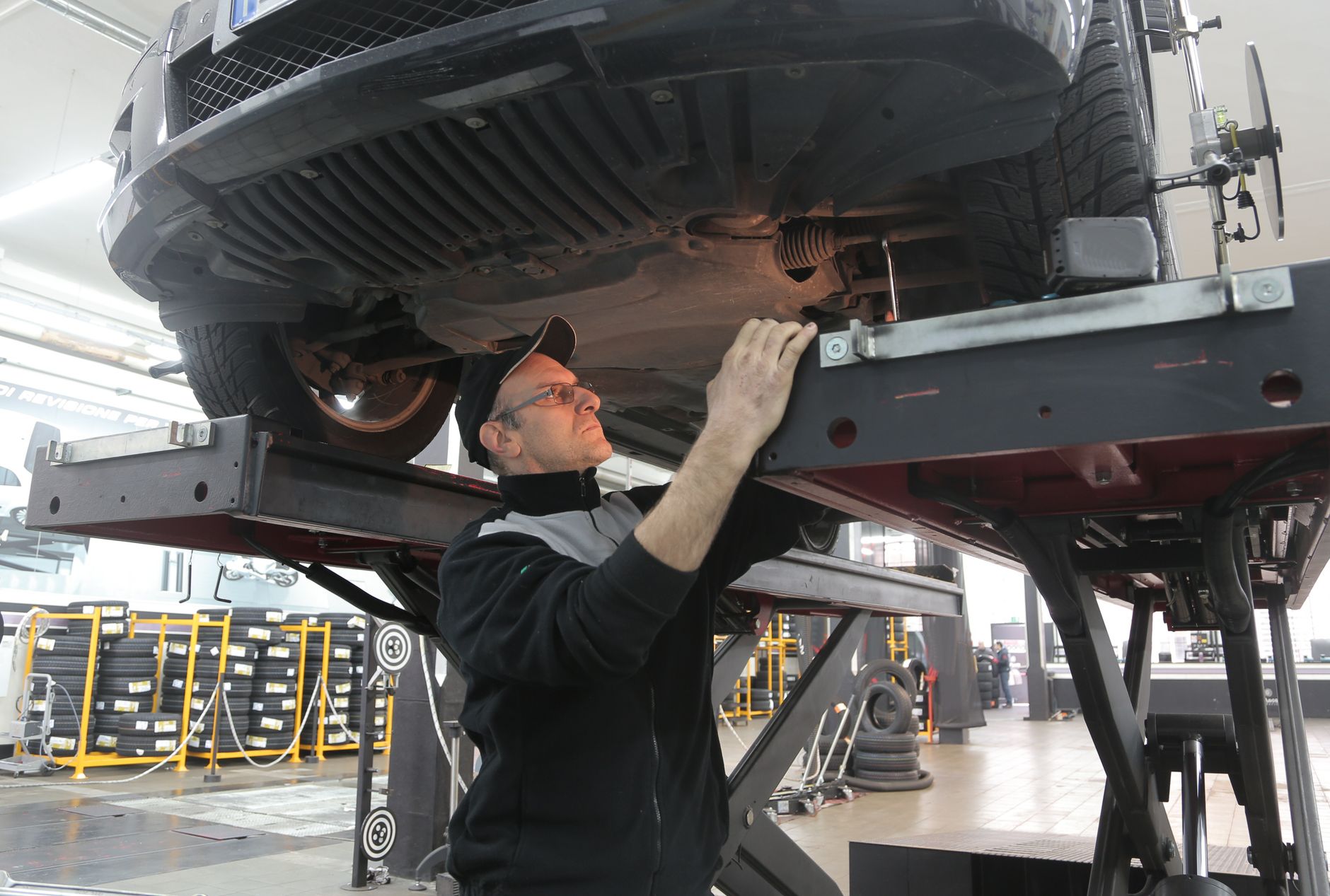
Why Filler and Bonded Plates Fail Where Welding Passes
It is not snobbery about method. It is about what happens to the load.
A load-bearing member carries force through its own continuous structure. A seam weld makes the new metal part of that structure, so force passes through the repair as though the join were not there. That is why the manual asks whether the repair appears as strong as the original.
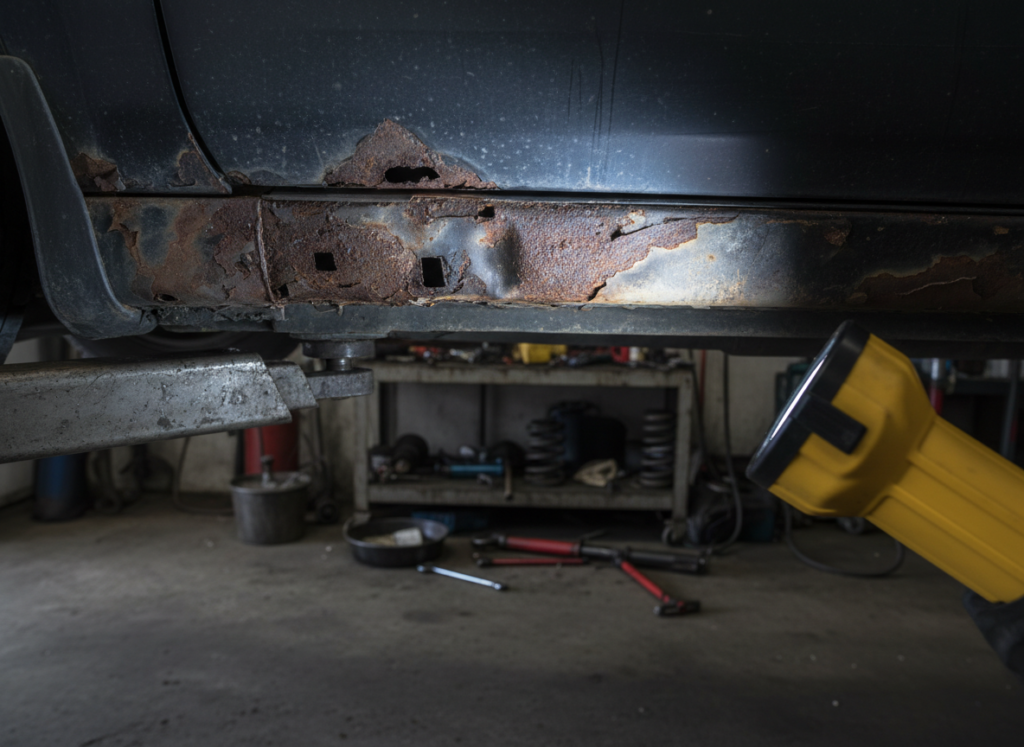
Filler carries nothing. It has no meaningful tensile strength, it does not bond to the parent metal in a way that survives flexing, and it hides the corrosion underneath rather than removing it. A filled sill can look perfect and be a shell.
Riveted or bonded plates are more interesting, because they can be genuinely strong in the right context — but as a rust fix on a corroded member they usually are not. The rivets concentrate load into a handful of small points, the plate is frequently fixed over rust rather than back to sound metal, and moisture becomes trapped between the two surfaces. The corrosion carries on out of sight, and it accelerates.
The Most Common Bodge: A Plate Welded Over Live Rust
Of everything found under cars, this is the one that turns up most often, and it is the one that catches out owners who genuinely paid for welding.
The job looks right from below. There is real weld, real steel, and often a tidy coat of underseal over the top. What has not happened is the part that takes the time: cutting the rotten metal out first. The plate has been laid straight over corrosion and tacked or seam welded around its edge.
Two things follow. The weld has been made onto metal that has little thickness left, so the join is only as strong as what it is attached to — and DVSA requires plating or welding to extend to a sound part of the member. And the rust does not stop. Sealed under a plate with moisture behind it, it keeps eating, usually reappearing at the edge of the plate a year or two later.
A tester who identifies that as an inadequate repair within a prescribed area is required to reject it, regardless of how presentable it looks. What the tester is checking, and how, is covered in our guide to the rust and repair checks carried out during the test.
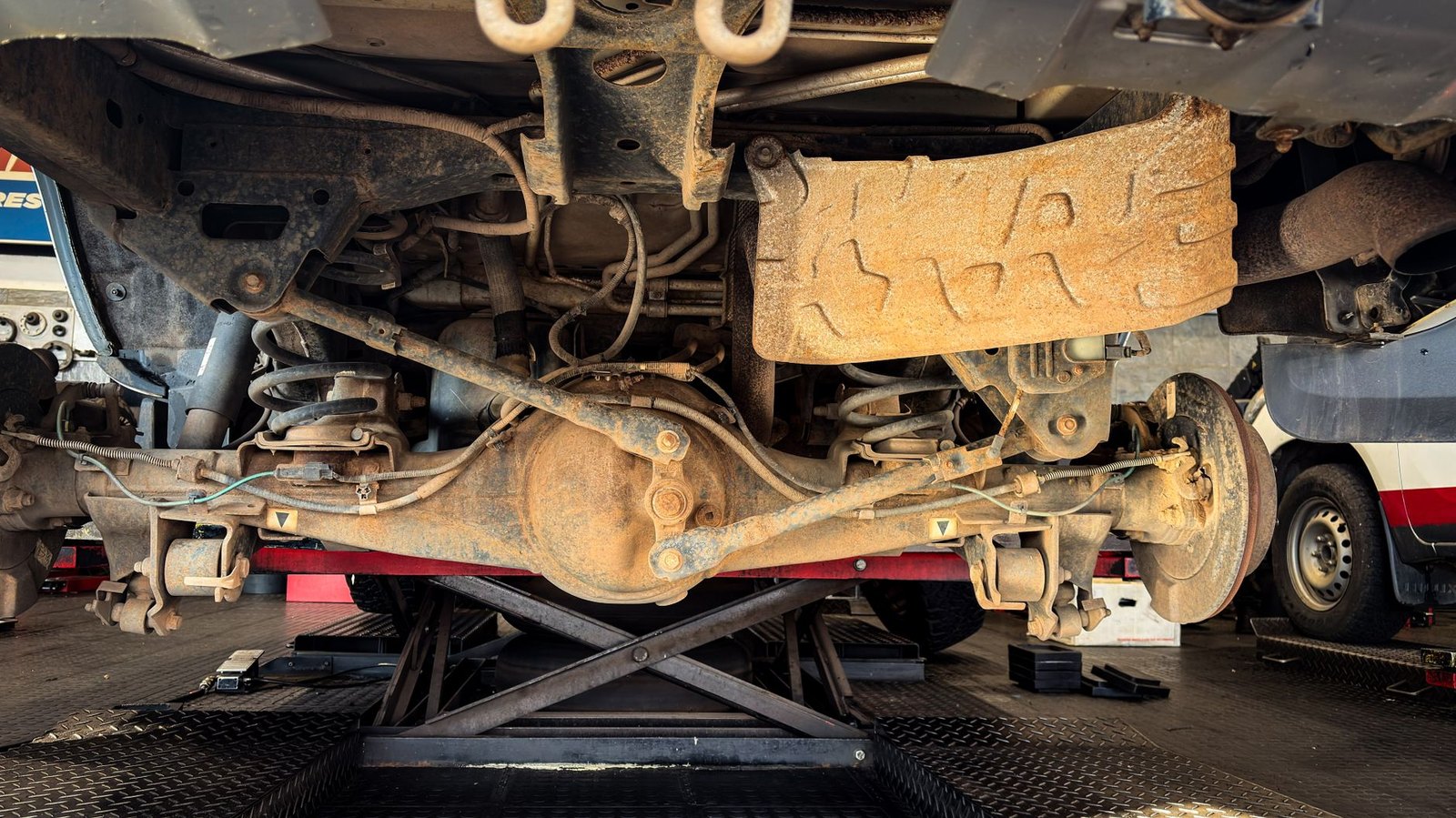
“Pass and Advise” — and Why It Isn’t a Win
There is a line in the manual that surprises people. Where a repair has been covered in paint or underseal and the tester cannot work out what method was used, the instruction is to pass and advise.
That is a sensible rule for testers, who cannot dismantle a car to satisfy curiosity. It is a terrible thing to rely on as an owner. A pass in those circumstances is not a statement that the repair is sound; it is a statement that the tester could not tell. The structure is exactly as strong or as weak as it was before the certificate was printed.
It also explains a pattern seen regularly in the workshop: a car that passed comfortably one year and fails badly the next, with no dramatic event in between. Nothing changed except that the covering finally broke down and the repair underneath became visible.
The Exception Worth Knowing: Manufacturer Methods
The rules are not a blanket ban on anything that is not a weld. The manual is explicit that some vehicle manufacturers have recommended repair methods using MIG brazing, or a combination of adhesive bonding and riveting, or amalgamations of these with other joining methods — and that such repairs are acceptable unless they are clearly inadequate.
This matters on modern vehicles. High-strength and boron steels, and mixed-material bodies, are increasingly built and repaired using bonding and riveting by design, because heat from conventional welding can weaken the panel it is meant to be joining. A manufacturer-specified bonded and riveted repair is a legitimate engineering solution.
The distinction is intent and evidence. A repair carried out to the manufacturer’s method, on a vehicle designed for it, is acceptable. A pop-riveted plate over a rusty sill on a fifteen-year-old hatchback is not the same thing, and nobody inspecting it will confuse the two.
How to Spot a Previous Bodge Before the Test
You do not need a ramp to find most of them. On a cold, dry car, with the vehicle safely supported or simply by looking along the sills and arches from a kneeling position, these are the giveaways.
- A magnet that will not stick to an area of steel bodywork. Filler is not magnetic. A weak or absent pull over a sill, arch or floor edge is the clearest single indicator.
- Fresh underseal in one patch only. A single black area on an otherwise weathered underside is covering something, not protecting it.
- Visible rivet heads in a structural area, particularly in a line along a plate edge.
- A plate with a rust line following its outline. That is corrosion emerging from underneath, and it means the metal beneath was never removed.
- A surface that flexes or sounds dull under firm thumb pressure where the metal either side rings solid.
- Bubbling under paint along a seam. Rust expands as it forms, so paint lifts before any hole appears.
Any of these on a sill, floor edge, subframe mounting or suspension mounting is worth having looked at properly. Our guide to how sill corrosion develops and what repair involves covers the area where bodges are found most often.
Putting It Right: What the Repair Actually Involves
Undoing somebody else’s shortcut is a longer job than the original repair should have been, and there is no way round that. The sequence is straightforward even when the work is not.
- Remove the previous repair. Filler is ground out; plates are cut off. Until that happens nobody knows the real extent of the corrosion, and any estimate given before it is a guess.
- Cut back to sound metal. Not to metal that looks acceptable — to metal that is genuinely solid, which is often further than expected once the covering is off.
- Fabricate a repair section. New steel of a suitable gauge, shaped to match the original profile so the structure keeps its designed strength and stiffness.
- Weld it in properly. Continuously seam welded, or stitch or plug welded where the original panel was spot welded and has been removed, with the join extending into sound material.
- Dress and protect. Welds dressed back, then the repaired area sealed and protected so the new metal does not go the same way as the old.
This is standard structural work rather than anything exotic, and it is what the MOT welding and rust repair service at Star Welding Mansfield does day to day. The one thing that cannot be shortened is the assessment: the extent of a previous bodge is only ever known once it is off the car.
Where the bodge sits at a jacking point, the same principles apply in a particularly unforgiving area — our guide to what happens when a jacking point collapses goes through that case.
Frequently Asked Questions
Is body filler always an MOT failure?
No. Filler used cosmetically on non-structural panels — a door skin, a wing, a bumper area — is not what the rule targets. The failure applies where filler has been used as a bonding process to repair a load-bearing member. That is the distinction the tester is making: is this area structural, and has filler been used to make it look repaired?
Can a plate be riveted over rust to get through the test?
Not as a rust repair on a load-bearing member. Repairs there must be properly carried out, appear as strong as the original and extend into sound metal, and patch repairs must be continuously seam welded unless the original panel was spot welded and has been removed. Riveting over corrosion meets none of those conditions and traps moisture behind the plate, so the underlying problem gets worse rather than better.
My car passed with a repair that I have since been told is a bodge. Was the tester wrong?
Probably not. Where a repair has been painted or undersealed and the method cannot be identified, the manual instructs the tester to pass and advise. That is a limit on what can be seen, not a verdict on the repair. If somebody has since looked at it with the covering removed, they are working from better information than the tester had.
Are bonded and riveted repairs ever acceptable?
Yes, where they follow a manufacturer’s recommended method. The manual specifically allows MIG brazing, adhesive bonding combined with riveting, and amalgamations of these with other joining methods where the manufacturer recommends them, unless the repair is clearly inadequate. That is a designed repair procedure for a particular vehicle, not a general permission to rivet plates onto corroded structure.
Can a previous bad repair be put right, or does the panel have to be replaced?
In most cases it can be put right. The old repair is removed, the corrosion is cut back to sound metal and a new section is fabricated and welded in. Whether that means a small local repair or a larger section depends entirely on how far the rust travelled while it was hidden, which is why the previous work has to come off before anyone can say.
Had Welding Done Elsewhere? Get It Looked At
If you have bought a car with underside repairs of unknown origin, or you have been told a previous repair is not acceptable, an inspection before the test is a great deal less stressful than one after it. The coded welders at Star Welding Mansfield carry out structural welding and MOT rust repairs at the workshop in Mansfield Woodhouse, Nottinghamshire, serving Mansfield, Sutton-in-Ashfield, Kirkby-in-Ashfield, Worksop, Retford and the wider Nottinghamshire area.
All structural work is done in the workshop, on a ramp, with the previous repair removed so the real condition of the metal can be seen. There is no mobile service for structural welding, because this is not work that can be assessed properly on a driveway.