Exhaust Blowing or Rattling? The Signs It Needs Welding
A failing exhaust rarely goes quiet about it. It blows, it drones under load, it rattles at idle, or it starts hanging visibly low at the back of the car. Those symptoms are not interchangeable — each one points at a different part of the system and a different kind of failure, and reading them correctly is what tells a welder whether the problem is a split seam, a corroded joint, a snapped bracket, or a flexi section that has given way. This guide runs through the warning signs one by one, what each usually means, and how a coded welder checks what has actually failed before any repair starts.
Star Welding Mansfield is based in Mansfield Woodhouse, NG19 9BL, and our coded welders carry out exhaust repairs as part of a broader range of structural and specialist welding work. If your car is blowing an exhaust or has a failed bracket, this is the kind of job we deal with regularly.
Why Exhaust Welding Is More Than a Quick Fix
Exhaust systems run at high temperatures, deal with constant vibration, and are exposed to road salt, moisture, and exhaust gases every time the engine runs. Over time, that combination degrades the metal — joints crack, pipes split, brackets corrode, and sections separate. A welded repair on an exhaust is not purely cosmetic. It has to withstand heat cycling, movement, and gas pressure every time the engine is running. For the full comparison, see our guide to exhaust welding and replacement.
That is why the quality of the weld matters. A poorly executed repair can fail quickly — particularly on systems that run hotter, such as diesel vehicles or older cars with less rust-resistant pipework. A clean, well-executed weld that fully seals the joint and restores the pipe’s structural integrity will typically last considerably longer than a patch repair using paste or bandage.
At our Mansfield workshop, exhaust welding is carried out by coded welders who understand the demands of the material and the environment it operates in. We do not rush these jobs, and we assess each repair individually to make sure welding is actually the right approach for the damage in question.
What Types of Exhaust Damage Can Be Welded?
Not every exhaust problem calls for full replacement, and in many cases, targeted welding is a more practical and cost-effective solution. The types of exhaust damage that can often be repaired by welding include:
- Split or cracked pipe joints — where two sections of exhaust pipe meet and the joint has begun to open or corrode through
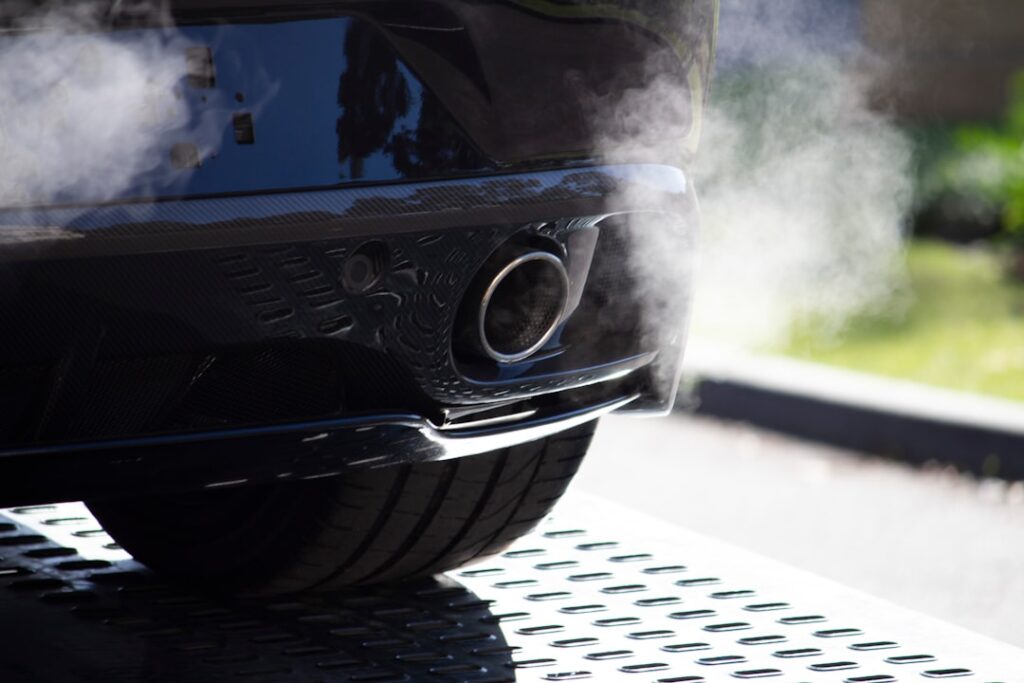
- Blowing sections — where exhaust gas is escaping from a point that should be sealed, often audible as a deep or raspy blow at idle or under acceleration
- Flexi pipe failures — the flexible section near the manifold, which absorbs engine movement, can split or collapse; this can sometimes be cut out and a new section welded in
- Back box and silencer repairs — where the rear box has started to blow or corrode at its seam or inlet
- Broken or missing hangers and brackets — the metal loops and brackets that hold the exhaust in place often crack or corrode; these can be fabricated and welded back on
- Pipe separation — where two sections have come apart and need to be reconnected with a welded sleeve or new section
What welding cannot always fix is corrosion that has spread through most of a section’s wall thickness, or a back box or centre section that has rusted to the point of collapse. In those cases, replacement of the affected section is usually the more reliable solution. We will always tell you honestly which approach makes sense for the specific damage on your car — see our exhaust welding and bracket repairs service for more on how we assess each job.
How the Exhaust Welding Repair Process Works
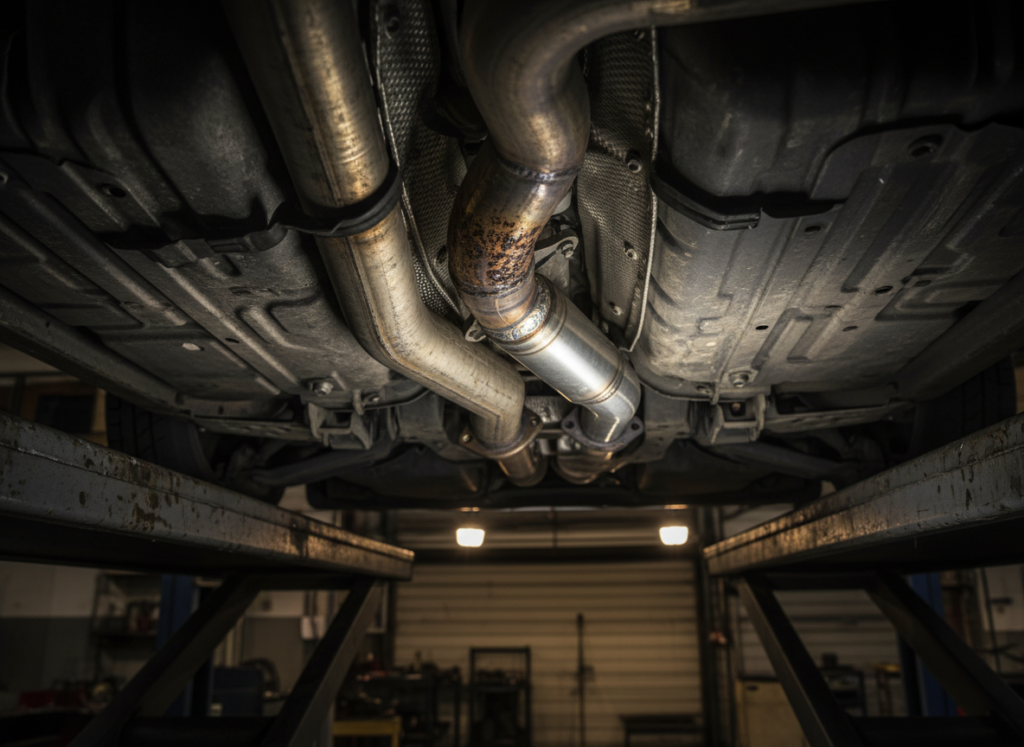
When you bring your car in for an exhaust repair, the first step is always a proper inspection. We put the vehicle up on the ramp and look at the full exhaust system from the manifold back to the tailpipe. This tells us exactly where the damage is, how extensive it is, and what approach is going to work best.
Once we have assessed the damage, we will talk you through what we have found and what the repair involves before any work starts. If welding is the right approach, the process typically involves:
- Preparing the repair area — cleaning back the damaged section and removing any loose or heavily corroded material that would prevent a clean weld
- Fitting any replacement sections — if a length of pipe or flexi section needs to be cut out and replaced, a correctly sized section is cut and fitted ready for welding
- Welding the joint — the weld is carried out to create a full seal around the joint, not just a surface tack; a properly welded exhaust joint should be gas-tight and structurally sound
- Bracket and hanger work — if hangers or brackets have failed, these are either fabricated fresh or replaced and welded back into position
- Final check — once the exhaust is back in place and cooled, we check the system to make sure there are no remaining blows or issues before the car leaves
The time a job takes depends on what we find. A simple blown joint on a back box might be a short repair. A flexi pipe replacement or a more corroded section that needs cutting back and rejoining will take longer. We will give you a realistic time estimate once we have looked at the car properly.
Common Signs Your Exhaust Needs Attention
Exhaust problems tend to get worse rather than better if left alone, and in some cases a blowing exhaust can also contribute to an MOT failure. The signs worth acting on include:
- A deep or raspy blowing sound that gets louder under acceleration — often heard from underneath the car or around the engine bay
- A rattling or clunking noise from underneath the vehicle, particularly over bumps — this can indicate a broken bracket or hanger letting the exhaust move around
- The exhaust pipe or silencer visibly sagging or sitting lower than it should — often caused by a failed hanger
- A smell of exhaust fumes inside the car — this can indicate a leak ahead of the cabin, which is worth acting on promptly
- Visible rust, cracks, or holes on any section of the exhaust pipe when you check underneath
- An increased exhaust note that seems louder or raspier than normal even when the engine is idling
Most of these signs indicate the exhaust system needs looking at sooner rather than later. A blowing exhaust that is ignored often spreads — what starts as a small crack in a joint can open further with heat cycling, making the eventual repair larger and more involved.
Why a Coded Welder Makes a Difference for Exhaust Work
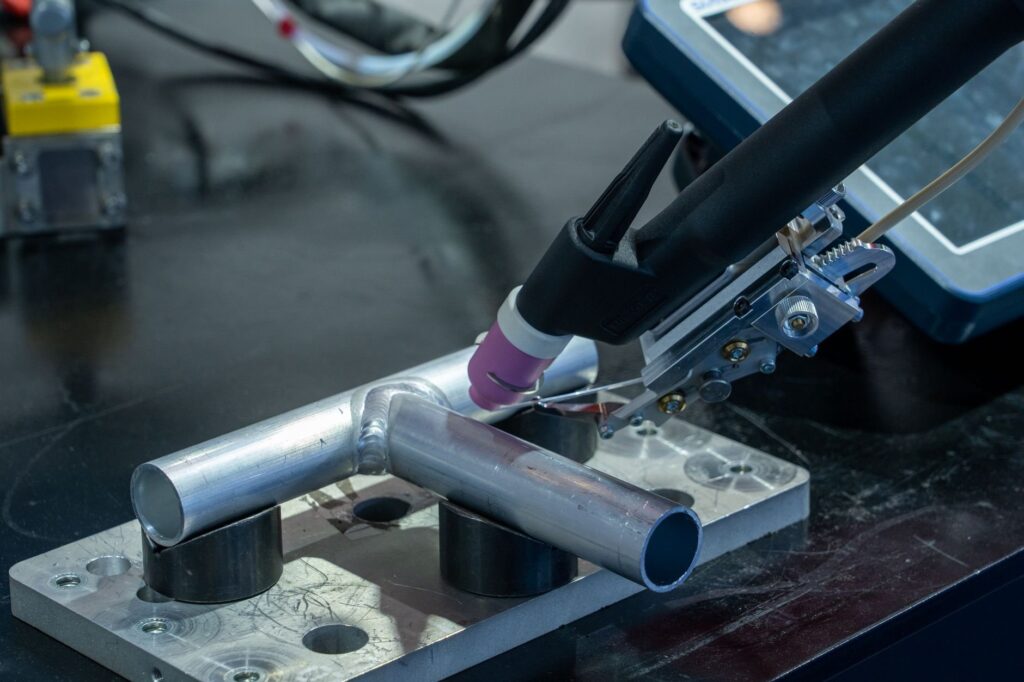
Exhaust welding is precision work carried out in an awkward environment — underside of a vehicle, often with limited access, on thin-walled pipe that burns through quickly if the technique is off. Coded welders have been assessed to work to a defined standard, and that matters when you want a repair that holds up reliably rather than one that fails again within a few months.
Some exhaust repair shops apply cold weld paste or exhaust bandage as a temporary fix. These can mask a problem for a short time, but they are not a structural solution and they tend to fail relatively quickly, particularly on systems that run hot. A properly welded joint, carried out by someone who knows what they are doing with the material, is a significantly more durable outcome.
At Star Welding Mansfield, exhaust welding is part of a broader range of automotive welding work that includes structural repairs, sill and floor pan work, and chassis welding. The skills and equipment are the same — it is about precision, preparation, and making sure the weld fully does the job it needs to do.
Exhaust Repair in Mansfield: What to Expect at the Workshop
We are based at Mansfield Woodhouse, NG19 9BL, and we carry out exhaust welding as part of a range of specialist automotive welding work. When you bring your vehicle in, we put it on the ramp, assess the full exhaust system, and talk you through what we find before starting any work.
We do not push replacement when welding is a viable and practical repair. Equally, we will not weld something that would be better replaced — particularly if the surrounding pipe is so corroded that a weld would not hold reliably. The goal is always to give you an honest assessment and carry out work that will actually last.
Exhaust welding jobs are typically carried out in a single visit once we have assessed the car and confirmed the parts needed, if any. If you are unsure whether your exhaust can be repaired by welding or needs replacement sections, the best starting point is to bring the car in for us to have a look.
Our workshop also covers related work including exhaust bracket fabrication and fitting — if a hanger has broken away from the body or a bracket has rusted through completely, we can fabricate a replacement and weld it back into position as part of the same job. See our exhaust welding and bracket repair service page for a full overview of what we cover.
Book an Exhaust Repair at Our Mansfield Workshop
If your exhaust is blowing, dragging, or rattling, do not leave it to get worse. Bring your vehicle into Star Welding Mansfield in Mansfield Woodhouse and we will put it on the ramp, assess the damage properly, and tell you exactly what it needs.