Cat S and Cat N Write-Offs: What Structural Welding Repair Actually Involves
The difference between the two categories is one word, and it is the word that decides whether a welder is involved at all. DVLA defines category N as repairable following non-structural damage and category S as repairable following structural damage — and both can go back on the road if they are repaired to a roadworthy condition.
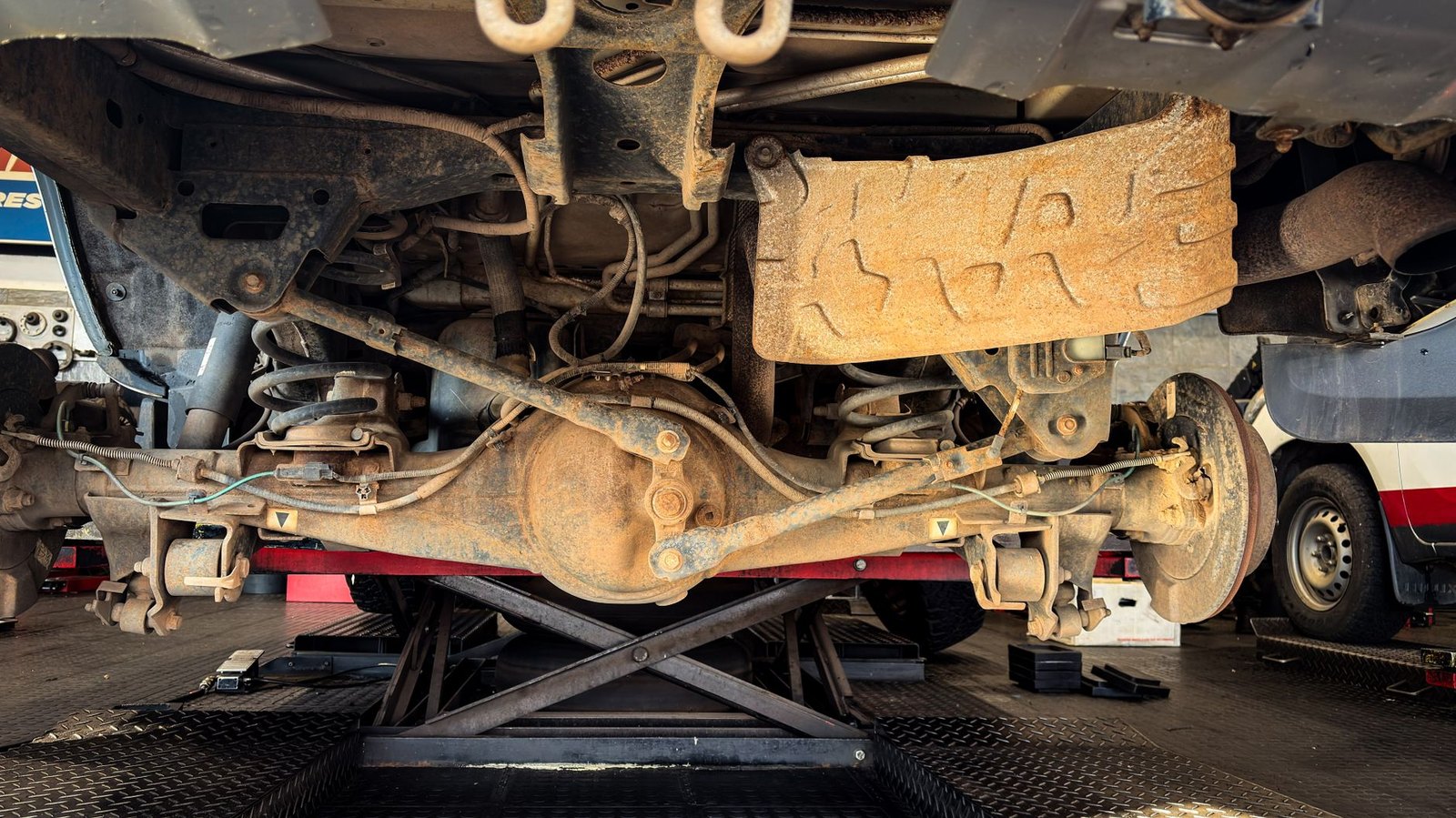
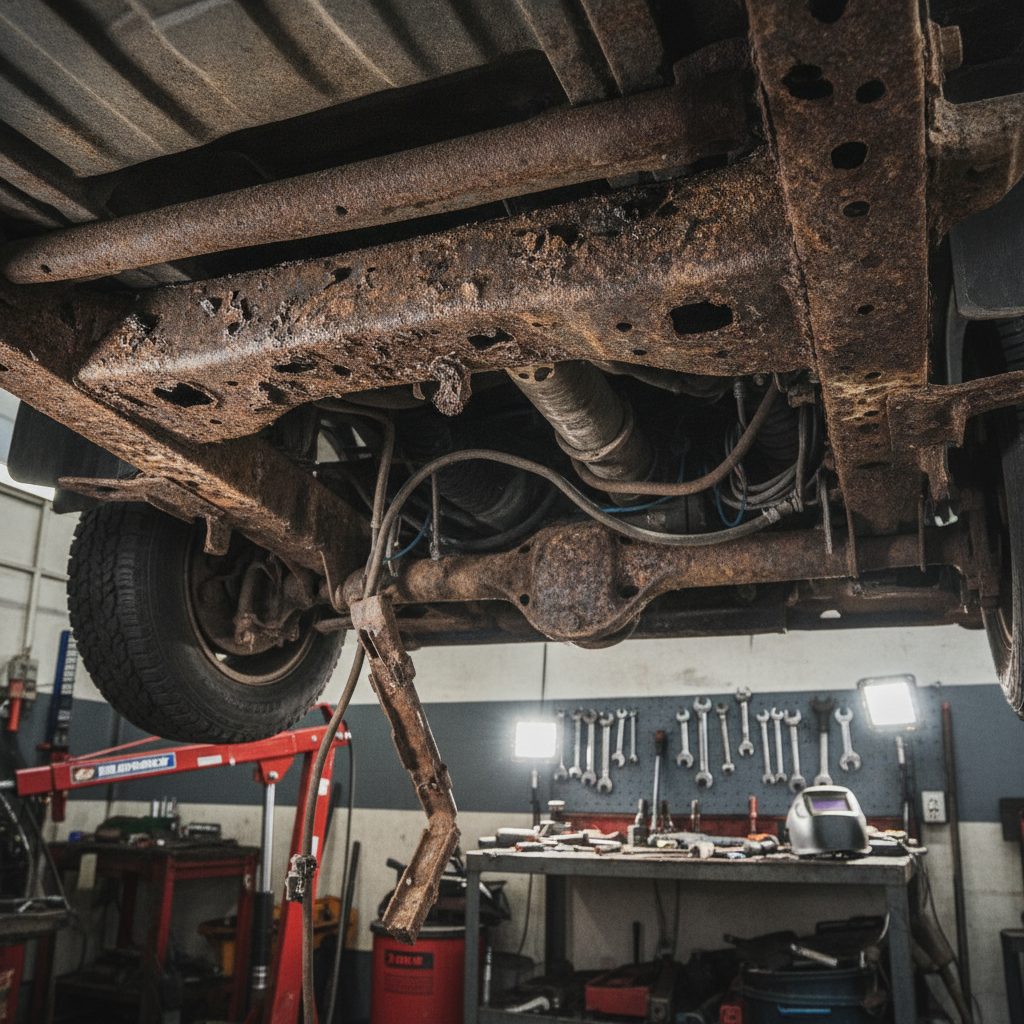
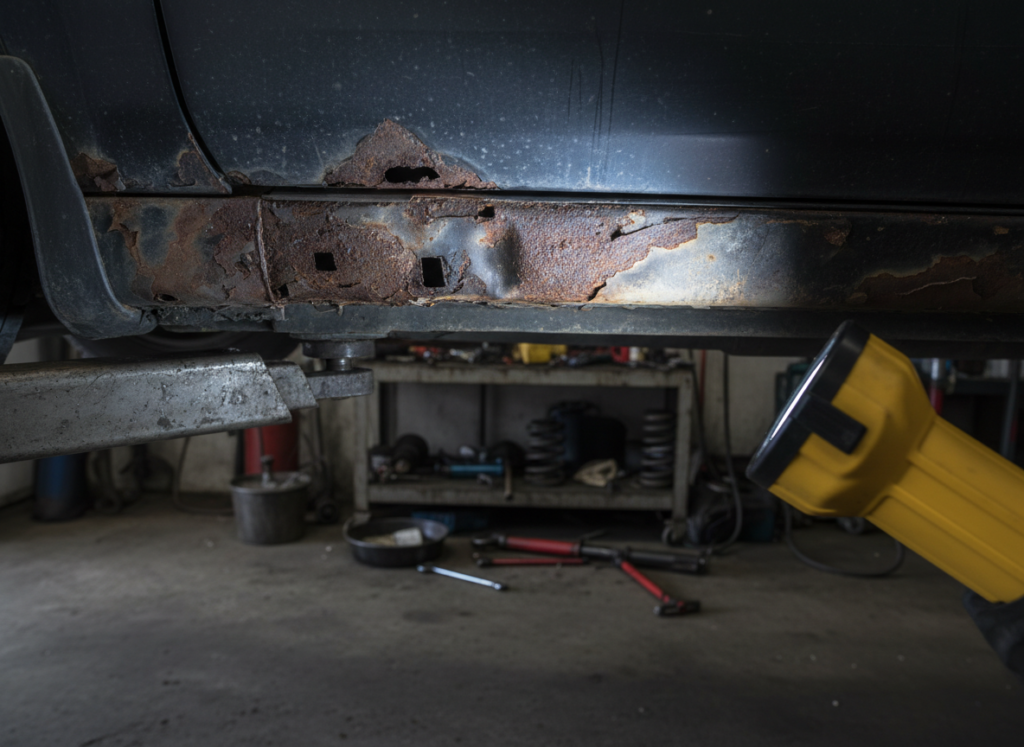
Structural is the operative word, and a Cat S structural repair is what follows when it applies. It means the damage reached the parts of the car that hold it together and keep it in shape in a second impact: the chassis rails, the sills, the floor pan, the bulkhead, the suspension and subframe mountings.
Almost everything written about Cat S online is aimed at buyers deciding whether to take the gamble. Very little of it explains what the repair itself involves. That is the part we deal with, so that is what this covers.
Reviewed and signed off by Star Welding Mansfield— coded welders based in Mansfield Woodhouse, Nottinghamshire. Published 8 October 2026. Last updated 8 October 2026.
What Does a Cat S Structural Repair Involve?
A Cat S structural repair means returning the load-bearing structure to its original dimensions and strength. In practice that is measuring the shell against factory geometry, pulling or replacing distorted sections, cutting out damaged metal back to sound steel, and welding in new panels or repair sections so the structure behaves correctly in a future impact.
The Four Categories, Briefly
Since 2017 the UK has used letters rather than the old C and D numbering. There are four, and only two of them ever come back to a workshop:
- Category A — cannot be repaired, the entire vehicle must be crushed.
- Category B — cannot be repaired, the body shell must be crushed although other parts can be salvaged.
- Category S — structural damage, repairable, and usable again once roadworthy.
- Category N — non-structural damage, repairable, and usable again once roadworthy.
The categories describe what an insurer decided, not how bad the car looks. A modest shunt on a low-value car is often written off on economics alone, because the repair cost exceeded what the car was worth. That is why some Cat S cars have genuinely alarming damage and others have a bent rear chassis leg and nothing else.