How a One-Off Metal Bracket Is Made, Step by Step
Once you know a one-off bracket is the answer, the next question is how one actually gets made. It is a sequence, not a single operation: take the measurements off the vehicle or the equipment, decide on the material and the thickness the load calls for, cut and form the blank, weld it up, then test-fit it before anything is finished. Each of those steps changes how the finished bracket behaves in use, and skipping or rushing one is where a fabricated part starts cracking a few thousand miles later. This guide follows that process from first measurement through to fitted part.
At Star Welding Mansfield, custom bracket fabrication and small metalwork jobs are a regular part of what we do alongside our structural and MOT welding work. This guide explains what custom fabrication involves, the kinds of brackets and fixings we make, and why using a specialist coded welder matters for this type of work.
What Is Custom Bracket Fabrication?
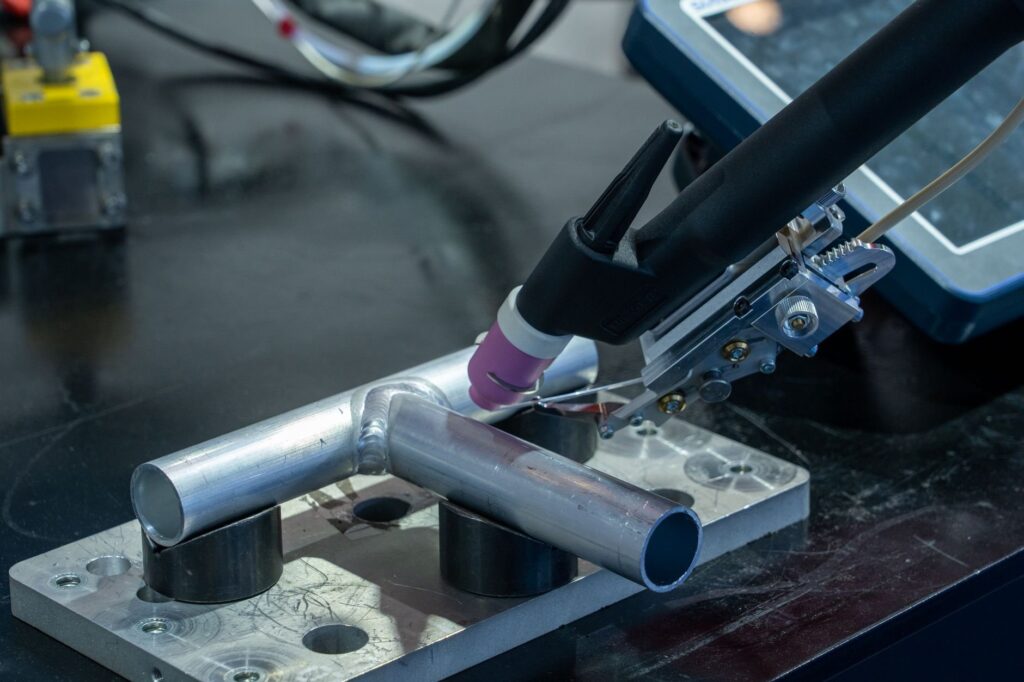
Custom bracket fabrication is the process of designing and making a metal bracket or mount from raw material rather than sourcing an off-the-shelf part. The fabricator works from the dimensions and load requirements of the specific application, cuts the material to shape, and welds or forms it into the finished item.
For automotive applications, this typically means steel — mild steel for most brackets, or stainless steel where corrosion resistance is particularly important. The thickness of the material, the geometry of the bracket, and the way it is welded all affect how strong and durable the finished item is in use.
Custom fabrication sits alongside — but is distinct from — standard welding repair work. It is less about fixing existing damage and more about creating something new that does not currently exist on the vehicle. That said, the same skills and equipment are required: accurate metalwork, clean welding, and an understanding of what the bracket needs to achieve structurally.
Types of Brackets and Fixings We Fabricate
The range of custom fabrication work we carry out is varied, because the need for bespoke brackets arises in many different situations. Common examples include:
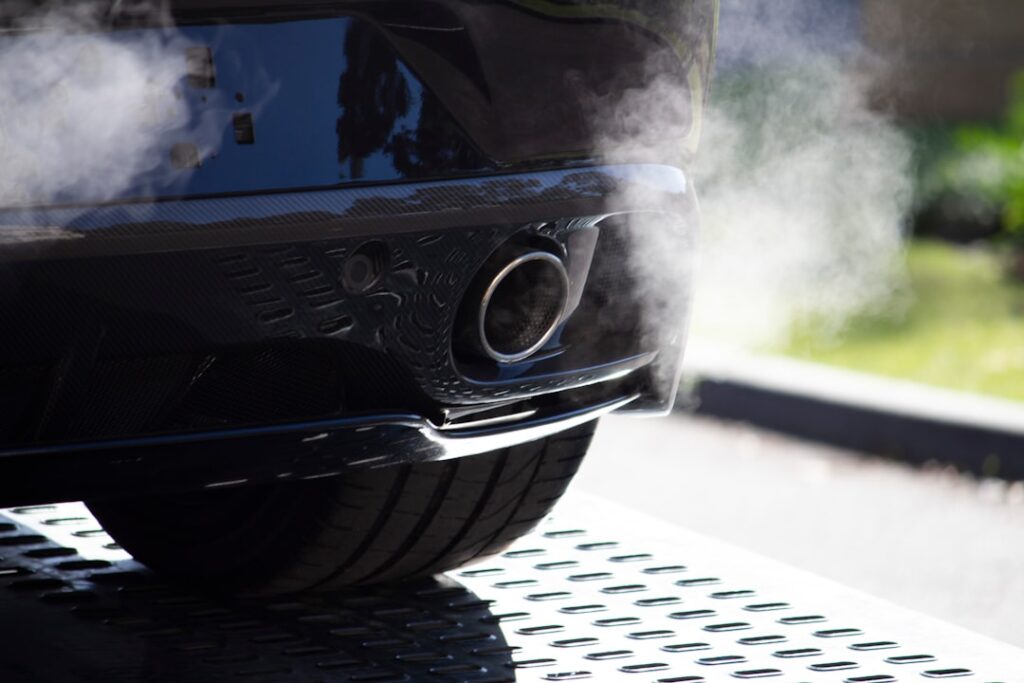
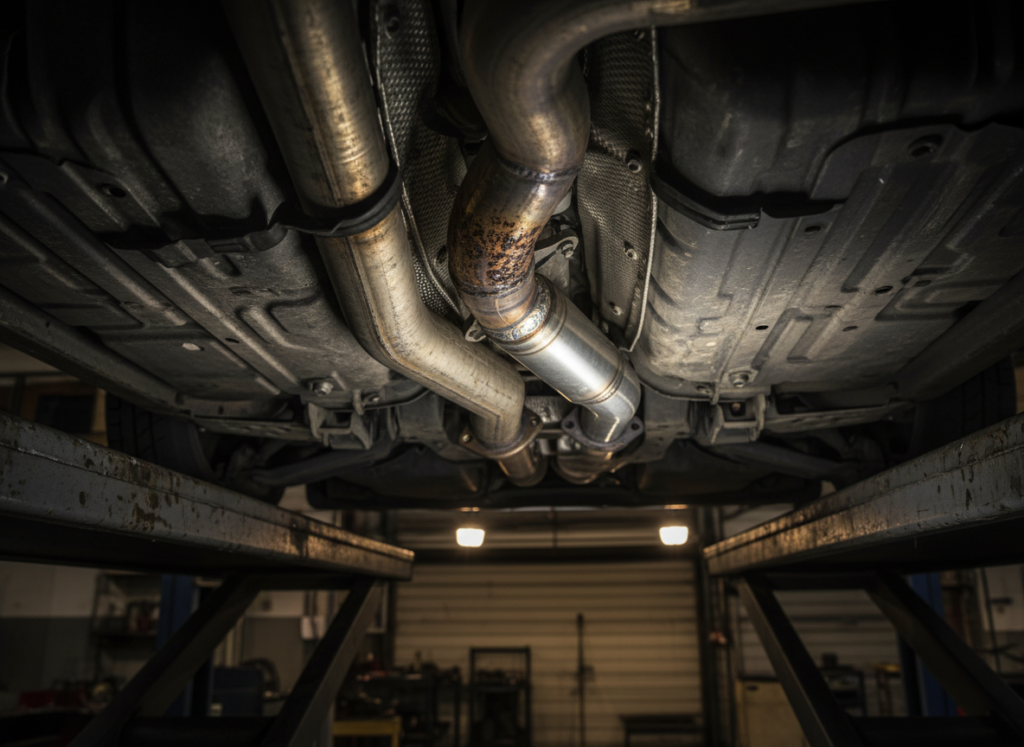
- Exhaust hangers and brackets — where a factory bracket has corroded and broken away, or where a custom exhaust system needs a new mounting point fabricated to fit the pipe routing correctly
- Tow bar mounting brackets — fabricated and welded mounts that allow a tow bar to be attached to vehicles where standard brackets do not fit, or where the existing mounting points need reinforcing or replacing
- Equipment mounting plates and frames — for vehicles carrying specialist equipment such as compressors, generators, tool boxes, or work-van racking, where factory mounting points are not sufficient or do not exist
- Body and panel support brackets — where panels are sagging or need structural support behind them that is no longer present due to corrosion or accident damage
- Engine and gearbox mounts — in some cases where OEM rubber mounts have failed and the metal mounting plate itself needs repair or replacement fabrication
- Suspension and subframe reinforcement plates — welded reinforcement on vehicles where mounting points have cracked or corroded, allowing the original mounts to be properly restored
- Bespoke vehicle conversions — smaller fabrication elements for campervan builds, van conversions, and working vehicle modifications where custom metal parts are needed that cannot be bought off the shelf
This list is not exhaustive. If you have a specific bracket or fabrication need and are not sure whether it falls within what we do, the straightforward approach is to get in touch and describe the job — we can tell you whether we can help and what would be involved.
When Does a Vehicle Need Bespoke Brackets?
There are several common situations that bring vehicles to us for custom fabrication work:
Older or classic vehicles where original parts are no longer manufactured or sourced through normal supply channels. For vehicles from the 1980s, 1990s, and older, body brackets, mounting plates, and structural fixings are often discontinued. Having them fabricated to the original specification is often the only practical option.
Vehicles with corroded mounting points where the original bracket has rusted beyond use. In many cases, the bracket itself can be fabricated fresh and welded back in place, restoring the mount to its original function. This is more cost-effective than sourcing a full replacement assembly where the bracket is integrated into a larger component.
Modified vehicles where aftermarket components — exhausts, tow bars, winches, roof racks, or specialist equipment — need mounts that do not exist as off-the-shelf items. Getting the bracket made correctly means the component is held securely and in the right position for its intended use.
Commercial vehicles and working vans where equipment or racking needs to be attached structurally rather than just bolted to plywood. Fabricated steel mounting points can be welded directly to the van structure, creating a far more secure attachment than surface-mounted fixings.
How a Custom Fabrication Job Works
Custom fabrication starts with understanding exactly what the bracket needs to do and where it needs to fit. For most jobs, this involves looking at the vehicle in person — the mounting position, the surrounding structure, how the bracket will be attached, and what load it will need to carry. Measurements are taken directly from the vehicle rather than from a drawing or specification document, because the reality of what fits in a given space on an actual car often differs from what looks straightforward in theory.
Once we understand the job, the process typically involves:
- Material selection — choosing the right steel grade and thickness for the application. A light hanger bracket has different requirements to a tow bar mounting plate or a suspension reinforcement piece.
- Cutting and forming — the material is cut to the required shape and bent or formed where needed to create the correct geometry for the bracket.
- Trial fitting — before the final welds go in, the bracket is offered up to the vehicle to check the fit and make any adjustments needed. It is much easier to adjust at this stage than after everything is permanently welded.
- Welding and finishing — once the fit is confirmed, the bracket is welded fully, with weld coverage appropriate to the structural demands of the application. The finished item is cleaned up and can be primed or treated to resist corrosion if required.
- Final fitting — the fabricated bracket is welded, bolted, or otherwise attached to the vehicle in its intended position, and the job is checked over before the vehicle leaves.
The time a custom fabrication job takes varies considerably depending on complexity. A single exhaust bracket might be a straightforward task. A multi-point mounting frame for heavy equipment could be a much more involved piece of work. We will give you a realistic time and cost indication once we have looked at the specific job.
Why the Quality of Fabrication and Welding Matters
A bracket that is made from undersized material or welded inadequately will fail in service — and depending on what it is holding, the consequences can range from inconvenient to dangerous. Exhaust hangers that drop mid-journey, tow bar mounts that flex under load, or equipment frames that crack at the weld are not just a nuisance. They create safety hazards and typically require more extensive repair when they fail than if the job had been done properly at the start.
Coded welders are assessed to work to a defined standard of weld quality. For structural brackets — anything that carries load or holds a critical component in position — this matters. The fabrication decisions that go into a custom bracket: material thickness, weld joint design, weld length and coverage, and how the bracket distributes load into the surrounding structure are all judgement calls that require relevant experience to get right.
At Star Welding Mansfield, we approach fabrication work the same way we approach any structural welding job — with the intention of making something that does the job properly and lasts. We do not make brackets that we would not be confident putting on our own vehicles.
For an overview of our full range of custom fabrication and small metalwork, see our custom brackets and small fabrications service page. If your job also involves tow bar fitting or mounting, see our tow bar mount fabrication service.
Discuss Your Fabrication Job With Us in Mansfield
If you need a bespoke bracket, mount, or small fabrication item made for your vehicle, get in touch with Star Welding Mansfield. We are based in Mansfield Woodhouse, NG19 9BL. Describe the job and we will let you know whether it is something we can help with and what would be involved.
Custom fabrication work is assessed on a job-by-job basis. The best starting point is usually to bring the vehicle in so we can look at the specific application directly.